

Epoxy Resin Transformer: Role in Dry Type Insulation



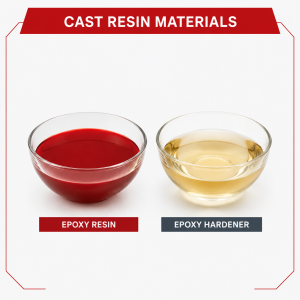
Epoxy resin and epoxy hardener are key materials used in cast resin dry type transformer manufacturing. When combined and cured, they form a solid insulation system around the windings, helping protect the transformer against moisture, dust, mechanical stress and electrical faults. This insulation structure is one of the main reasons cast resin transformers are widely used in indoor installations and demanding operating environments.
In cast resin dry type transformers, epoxy resin does more than simply cover the windings. It improves electrical insulation, enhances mechanical strength and supports more reliable long-term operation. Unlike oil-filled transformers, which rely on transformer oil for insulation and cooling, cast resin dry type transformers use solid insulation materials and air cooling. This makes epoxy resin an essential part of the transformer design, especially where oil-free operation, safety and low maintenance are important.
What is epoxy resin in dry type transformers?
Epoxy resin is a thermosetting insulation material used to encapsulate or protect transformer windings. After curing, it becomes a hard and stable solid structure that surrounds the winding and helps protect it from moisture, dust and mechanical stress.
In dry type transformers, epoxy resin is most commonly used in cast resin designs. The winding is placed in a mold, then epoxy resin is cast around it under controlled manufacturing conditions. After the resin cures, the winding becomes a solid insulated block with improved protection and mechanical stability.
The main purpose of epoxy resin is not to change the electromagnetic working principle of the transformer. The transformer still operates based on electromagnetic induction. The difference lies in the insulation system: instead of using transformer oil, the winding is protected by solid resin insulation.
Why epoxy resin is used in dry type transformers
Epoxy resin is used in dry type transformers because transformer windings need to withstand electrical stress, heat, moisture and mechanical forces during operation. A reliable insulation system is essential for maintaining long-term transformer performance.
The resin layer helps isolate conductive parts, protect the winding surface and reduce the impact of the surrounding environment. This is especially important in indoor installations where the transformer may be placed near technical equipment, operating areas or building infrastructure.
Another important reason is oil-free operation. Since a dry type transformer does not use insulating oil, it reduces risks related to oil leakage. This makes epoxy resin insulation suitable for projects where fire safety, cleanliness and low maintenance are important.
Epoxy resin in cast resin transformer design
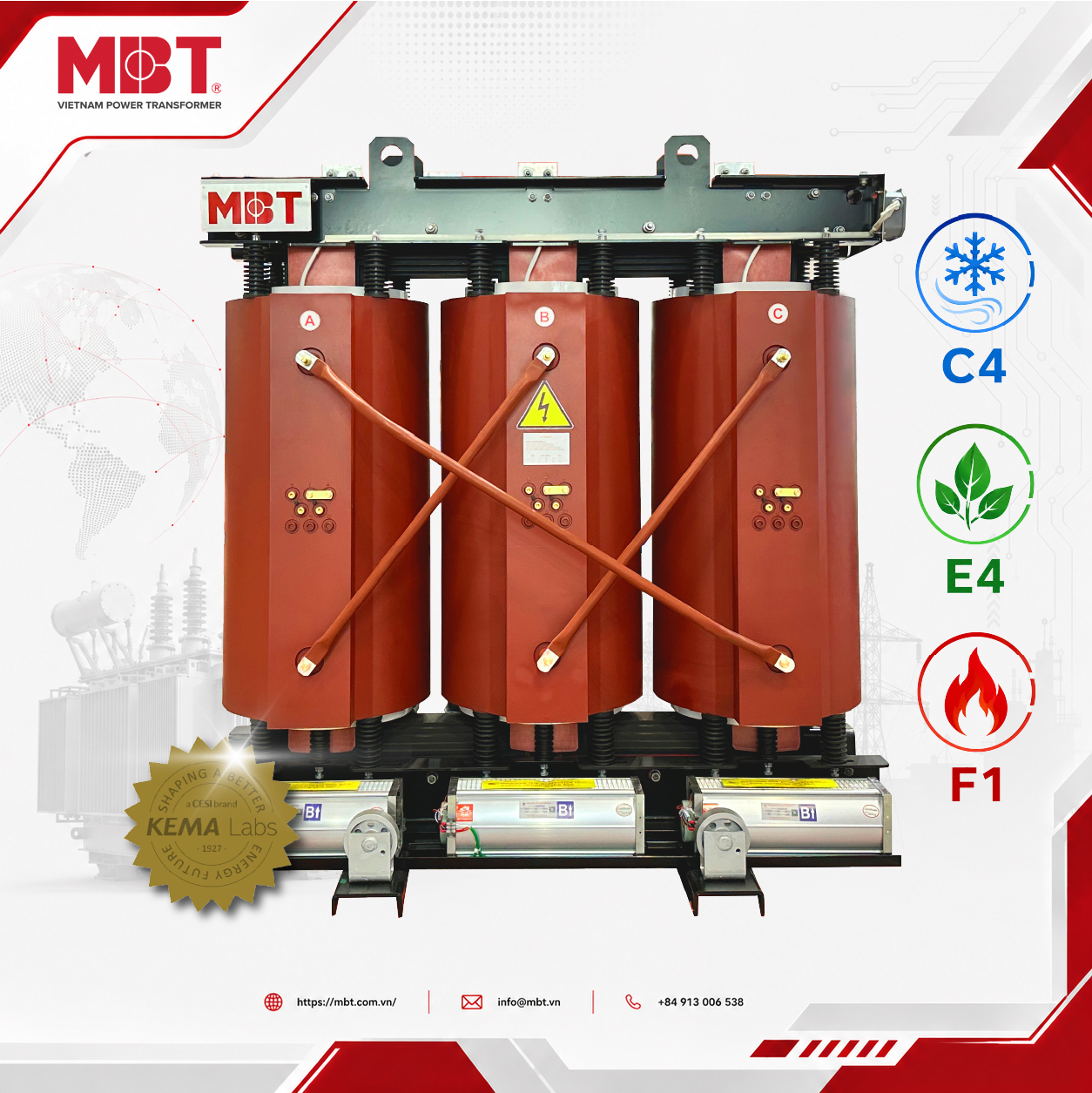
The clearest application of epoxy resin is found in the cast resin transformer. In this design, the high-voltage winding is encapsulated with epoxy resin to create a strong solid insulation structure.
This design gives the transformer several practical advantages. First, the winding is better protected from moisture and dust. Second, the solid resin structure helps improve mechanical strength. Third, the winding can maintain better stability when exposed to short-circuit forces or vibration during operation.
Because of these characteristics, cast resin transformers are often used in places where stable insulation and safer indoor operation are required. Common examples include commercial buildings, factories, hospitals, data centers, metro systems and technical rooms.
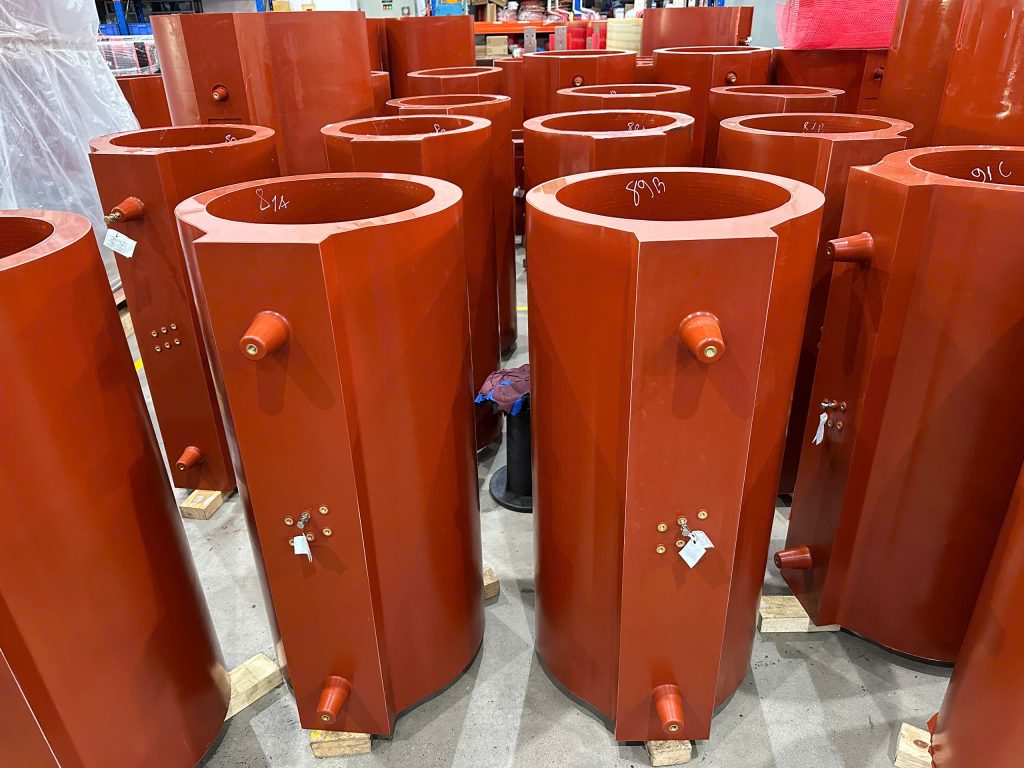
MBT’s high voltage coil is molded from epoxy resin
Electrical insulation and moisture protection
One of the main roles of epoxy resin in dry type transformers is electrical insulation. The resin helps separate conductive parts and supports safe operation under rated voltage conditions.
Moisture is one of the factors that can affect insulation performance. If moisture enters the winding area, it may increase the risk of partial discharge, surface tracking or insulation deterioration over time. By encapsulating the winding, epoxy resin helps reduce direct exposure to humid air and contaminants.
This moisture resistance is one of the reasons why epoxy resin transformers are suitable for indoor substations and environments where stable insulation performance is required.
Mechanical strength of resin cast windings
Transformer windings are exposed not only to electrical stress but also to mechanical forces. During short-circuit conditions, high current can create strong electromagnetic forces inside the transformer. If the winding structure is weak, deformation or insulation damage may occur.
Epoxy resin helps strengthen the winding by forming a solid protective block. This improves mechanical stability and helps the winding maintain its structure during operation. The resin also protects the winding during transportation, installation and maintenance.
For dry type transformer applications, this mechanical protection is one of the key advantages of epoxy resin insulation.
Thermal performance and ventilation
Although epoxy resin provides insulation and winding protection, transformer temperature still depends on the overall design. Heat is generated in the core and windings during operation. Since dry type transformers do not use oil to transfer heat, proper air circulation is very important.
In an epoxy resin transformer, heat is released through winding surfaces, air ducts and ventilation paths. If airflow is restricted, dust builds up or the transformer operates above its design limit, temperature rise can affect insulation life.
For this reason, dry type transformer installation should consider ventilation space, ambient temperature, enclosure design and regular cleaning. In some cases, forced air cooling may be used to improve cooling capacity.
Where epoxy resin transformers are commonly used
Epoxy resin transformers are commonly used in projects that require safer indoor operation and stable insulation performance. Typical applications include:
- Commercial buildings and office towers.
- Hospitals and public facilities.
- Data centers and technical rooms.
- Industrial factories.
- Shopping centers and mixed-use buildings.
- Metro stations and infrastructure projects.
- Indoor substations.
In these applications, epoxy resin helps protect the windings from moisture, dust and environmental impact while supporting reliable operation in compact indoor spaces.
Conclusion
Epoxy resin plays an important role in cast resin dry type transformers by supporting electrical insulation, moisture resistance, winding protection and mechanical strength. When combined with epoxy hardener and properly cured, it forms a solid insulation system that helps the transformer operate reliably in indoor and demanding environments.
Compared with oil immersed transformers, cast resin dry type transformers offer advantages in oil-free operation, indoor safety and reduced oil-related maintenance. However, proper ventilation, temperature control and installation conditions are still important for long-term performance.
For projects that require safe indoor installation, stable insulation and low-maintenance transformer solutions, you can explore MBT’s dry-type transformer products and learn more about MBT dry type transformer solutions for industrial, commercial and infrastructure applications.